


Why Is Singapore's Food Culture So Unique?

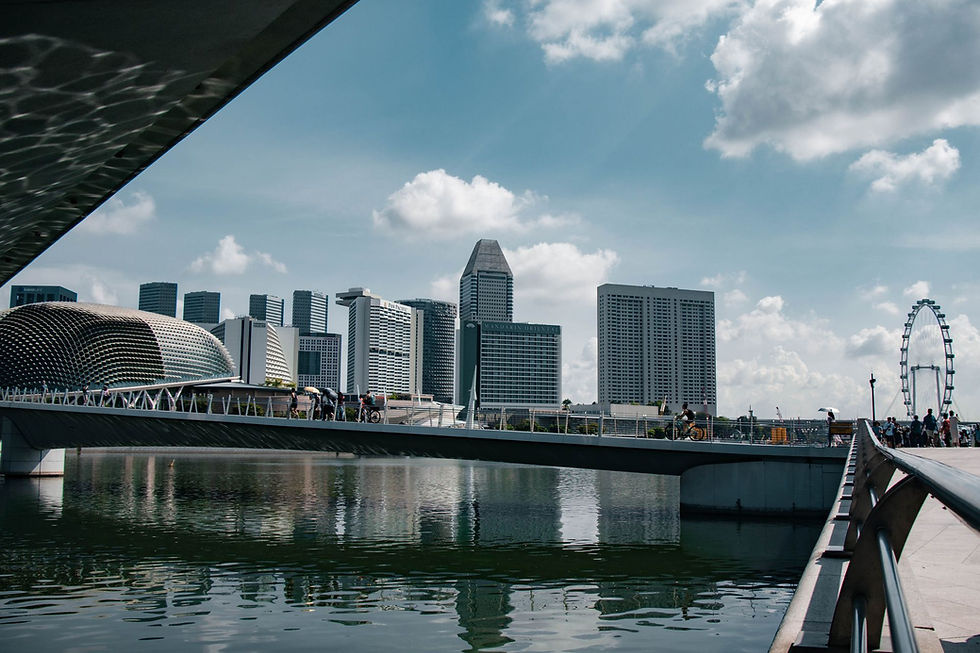
Singapore is known for more than its modern skyline and global business environment. It is also a destination where food plays an important role in everyday life and cultural identity.
From traditional hawker stalls to modern restaurants, Singapore offers a diverse food scene shaped by Chinese, Malay, Indian, Peranakan and other culinary traditions. This combination of cultural diversity, local creativity and community dining is what makes Singapore's food culture unique.
1. A Blend of Different Culinary Cultures
One of the main reasons Singapore's food culture stands out is its multicultural heritage.
Over generations, communities have brought their own ingredients, cooking methods and food traditions to Singapore. These influences have interacted and evolved, creating dishes that reflect the country's distinct identity.
Some popular examples include:
Hainanese Chicken Rice: Poached chicken served with fragrant rice and dipping sauces.
Laksa: Rice noodles served in a rich, spiced broth, often made with coconut milk.
Roti Prata: A flaky flatbread commonly served with curry.
Satay: Grilled meat skewers accompanied by a peanut-based sauce.
Peranakan Cuisine: A distinctive culinary tradition combining Chinese influences with Malay and other regional ingredients and techniques.
These dishes illustrate how different food traditions have contributed to Singapore's culinary landscape.
2. Hawker Centres Are at the Heart of Local Food Culture
Singapore's food culture is not just about what people eat, but also where they eat.
Hawker centres bring together numerous food stalls in shared dining spaces, offering a wide range of affordable everyday meals. They are popular places for breakfast, lunch and dinner, serving people from different backgrounds.
In December 2020, Singapore's hawker culture was inscribed on UNESCO's Representative List of the Intangible Cultural Heritage of Humanity.
UNESCO recognises hawker culture for its role in community dining, cultural exchange and social interaction. Hawker centres function as shared spaces where people from different social, cultural and religious backgrounds can enjoy meals together.
3. Traditional Recipes Continue to Evolve
Another distinctive feature of Singapore's food culture is the balance between tradition and innovation.
Many hawkers specialise in particular dishes, refining their recipes and cooking techniques over many years. Culinary knowledge may be passed from parents to children, or from experienced hawkers to apprentices.
At the same time, Singapore's food scene continues to evolve. Chefs and food businesses adapt traditional recipes to changing tastes, introduce new ingredients and create contemporary interpretations of familiar dishes.
This allows Singapore to preserve its culinary heritage while remaining open to new influences.
4. Food Is an Important Part of Everyday Life
In Singapore, food is closely connected to social interaction and daily routines.
Families gather over meals, colleagues visit food centres during lunch breaks, and friends meet at cafes or hawker stalls. These shared experiences help make food an important part of community life.
Hawker centres are particularly significant because they bring people together in informal, accessible settings. They are not simply places to buy food; they are also familiar gathering spaces where communities interact.
This social aspect helps explain why Singapore's food culture is often associated with a strong sense of shared identity.
5. A Diverse Food Scene for Different Tastes
Singapore's food scene offers a wide range of dining experiences.
Visitors can enjoy traditional hawker dishes, neighbourhood coffee shops, specialty cafes, regional cuisines and fine-dining restaurants. This variety reflects Singapore's international connections as well as its multicultural population.
Whether someone prefers a simple local breakfast, a traditional noodle dish or a contemporary dining experience, there are many ways to explore the country's culinary landscape.
For visitors, trying local food is also a practical way to learn about Singapore's history, communities and everyday lifestyle.
Why Is Singapore's Food Culture So Special?
Singapore's food culture stands out because it combines several elements:
Multicultural influences that shape its diverse flavours and cooking traditions.
Hawker centres that make a wide range of local food accessible.
Culinary heritage preserved through traditional recipes and skills.
Community dining that brings people from different backgrounds together.
Ongoing innovation that allows traditional cuisine to evolve.
Together, these elements make food an important part of Singapore's cultural identity.
Final Thoughts
Singapore's food culture is unique because it reflects the country's multicultural heritage, everyday lifestyle and ability to bring different traditions together.
From the variety of dishes available at hawker centres to the preservation of traditional cooking skills, food connects Singapore's past with its present.
For anyone looking to understand Singapore beyond its modern cityscape, exploring its food culture offers a meaningful introduction to the country's people, history and way of life.



Comments